Backlit Mirror vs Vanity Light Bar: Which Is Better for Shaving?
When it comes to mirror lighting for shaving, the debate between a traditional vanity light bar and a sleek backlit bathroom mirror is more than a matter of style—it’s about functionality, light quality, and the overall bathroom experience. Homeowners and designers alike are moving toward LED mirrors, replacing vanity light bars homedit and sconces that once dominated bathroom lighting. But which option truly provides the best illumination for the detailed task of shaving?
In this post, we’ll explore key differences—including the types of LED lighting such as backlighting, edge lighting, and in-glass light lines—and how these choices affect the bathroom wall surfaces like paint, tile, wood, and stone. We’ll also look at how long vanity layouts benefit from multiple mirrors, offering insights from industry leaders including Homedit, reliable Google Preferred Sources, and LED Mirror World. Ready? Let's dive in.
The Rise of LED Mirrors Over Traditional Vanity Light Bars
For decades, the standard vanity setup has featured various light bars or fixtures mounted above or beside the mirror. However, this style suffers from inherent lighting flaws when it comes to shaving.
- Shadows: Vanity light bars often cast downward shadows on the face, especially under the chin and nose—areas critical while shaving.
- Uneven Illumination: Many bars illuminate from a single strip, resulting in a hotspot directly under the light and dimmer areas elsewhere.
- Glare: Harsh bulbs can cause glare, making it difficult to see fine details without squinting.
LED mirrors address many of these issues by integrating lighting directly with the mirror, eliminating bulk fixtures and enhancing overall bathroom aesthetics. As noted by Homedit, this modern approach offers both form and function, changing how light interacts with facial features and wall surfaces alike.
Why LED Mirrors Are Gaining Popularity
- Even Light Distribution: Whether backlit or edge-lit, LED mirrors provide uniform illumination that reduces shadows.
- Space-Saving: Without the need for bulky sconces or bars, bathrooms feel larger and less cluttered.
- Energy Efficiency: LED lighting consumes less power and lasts longer than incandescent or halogen bulbs.
- Aesthetic Appeal: Integrated lighting lines produce a sleek, minimalist look appreciated by modern homeowners.
LED Mirror World, a UK-based specialist mentioned on ledmirrorworld.co.uk, showcases a wide range of backlit mirrors designed specifically with functionality—like shaving—in mind. Their designs tackle common lighting challenges by focusing on the quality and direction of illumination.
Backlighting vs Edge Lighting vs In-Glass Light Lines: Which Works Best for Shaving?
Not all LED mirrors are created equal. Understanding the differences among backlighting, edge lighting, and in-glass light lines is essential to choosing the right mirror lighting for shaving.
In Practice: What Do Real Users Say?
On platforms like Twitter and Facebook, many users praise backlit mirrors for ambiance but report that edge-lit styles often feel “more useful” for tasks requiring close attention to detail such as shaving. It’s worth noting that while backlighting excels at setting a relaxing mood and reducing eye strain, it may feel slightly underpowered without supplementary lighting for those who prefer razor-sharp detail.
The Impact of Mirror Lighting on Bathroom Walls
The way light interacts with your bathroom walls is an often overlooked but critical factor. The same mirror can look striking or harsh depending on the surface it lights onto.
Painted Walls
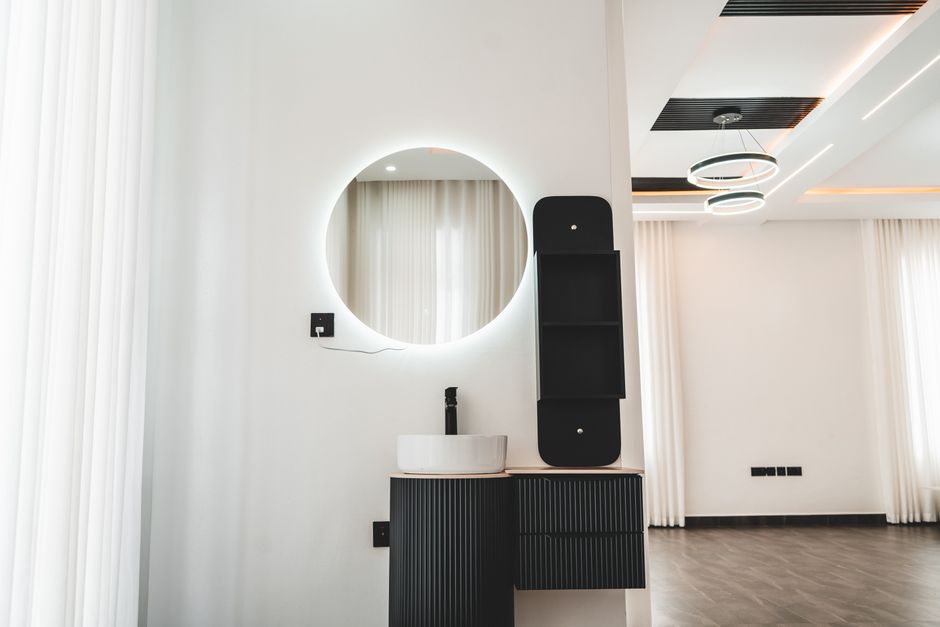
Backlit mirrors wash light softly onto painted surfaces, creating a glowing effect that enhances color depth. This indirect lighting mood can reduce the harshness often associated with vanity light bars, but may sacrifice some task-specific brightness needed for perfect shaving lines.
Tile Walls
Textured or glossy tiles reflect light differently. Backlighting here can cause uneven light pools, while edge lighting bounces more cleanly without creating distracting glare. If you have stone or textured tile, be wary of overly bright vanity light bars, which can cause sharp reflections that compete with mirror visibility.
Wood-Panel or Stone Walls
Natural materials like wood and stone respond beautifully to the gentle glow of backlit mirrors, highlighting natural textures without harsh shadows. However, these materials can absorb or scatter light differently, so pairing your mirror with a vanity light bar may sometimes be necessary in very dark or rustic spaces.
Long Vanity Layouts: Multiple Mirrors vs Single Light Bars
Large bathrooms with extended vanity spaces raise additional lighting questions. Should you install one long vanity light bar or several backlit mirrors spaced evenly?
- Multiple Backlit Mirrors: Installing several smaller backlit mirrors can divide lighting evenly, eliminating the need for a bulky overhead fixture. This approach supports personalized grooming areas and offers balanced light across the length of the vanity.
- Long Vanity Light Bars: While a single bar is simpler, it often fails to distribute light adequately. Shadows and hot spots tend to form, and the bar’s glare can make parts of the vanity uncomfortable.
According to Homedit, the multiple mirror strategy suits modern aesthetics and practical (task-specific) lighting requirements better, especially when combined with well-placed overhead or ambient lights.
Summary: Which One Is Better for Shaving?
To boil it down, the choice between a vanity light bar and a backlit bathroom mirror isn’t just about looks. It’s about how the light performs during critical, close-up tasks.
Lighting Type Pros for Shaving Cons for Shaving Ideal Wall Type Vanity Light Bar - Easy to install- Provides some brightness directly over mirror - Creates strong shadows- Can cause harsh glare 
Ultimately, a high-quality edge-lit LED mirror often wins for shaving. It creates clean, shadow-free illumination that works well on various wall surfaces. Pairing a backlit mirror with additional ceiling or sconce lighting can create the perfect layered effect, which many users appear to prefer, as noted in popular discussions on Twitter and Facebook.
Final Thoughts
The move from traditional vanity light bars toward LED mirrors is clear in modern home design, with resources like LED Mirror World offering cutting-edge solutions tailored to practical needs like shaving. While backlit mirrors excel at mood and elegance, edge-lit mirrors stand out for task-specific lighting.
Consider your bathroom’s wall surfaces, lighting preferences, and vanity length when choosing the right mirror lighting for shaving. Your face deserves crisp, shadow-free light—and practical beauty that a simple vanity light bar might not provide.