Best DIY Mini Split for a Garage or Basement: Affordable Heating & Cooling Solutions
After years of living with a broken whole-house AC, attempting a portable unit that gave up in under a year, and diving deep into the specs of DIY mini splits like a regular person—not an HVAC pro—I can confidently say mini splits are game changers for garages and basements. Whether you want to get your winter hobby room cozy or add summer comfort in a stuffy basement, a well-chosen mini split can deliver independent operation and affordable heating and cooling without the headaches of ductwork.
Why DIY Mini Splits? Real Value and Honest Pricing
Let’s get real: I've wrestled with vague pricing, salesy jargon, and efficiency claims that seem more like hype than actual numbers. DIY mini splits stand out because they bring real value, especially for single zones like a garage or basement workspace where a whole-house system is overkill.
For example, consider the Zone Air 12K BTU single zone (230V) system priced at $2,049.99. Most people need just a single zone wall mount unit, and this represents a clear, upfront price with no dealer markup nonsense.
Keep in mind, when you’re buying direct-to-consumer versus through dealer networks, there are tradeoffs:
- Direct-to-Consumer: Typically better pricing, pre-charged line sets with quick connect fittings, and easier DIY installation but limited professional support.
- Dealer Networks: Pros for installation warranty and after-sales service but often at a higher total cost and sometimes overkill for a single zone.
For garages and basements, direct-to-consumer mini splits often hit clean mini split filters every 4 to 6 weeks the sweet spot for budget and DIY-friendly installs.

What Makes a Great Mini Split for Garages and Basements?
When shopping for a mini split to heat and cool your garage or basement, here’s what I prioritize:
- Single Zone Wall Mount: You don’t want to pay for multi-zone complexity if you just want one cozy space.
- Independent Operation: Each unit should run on its own schedule without tethering to central systems.
- Affordable Heating and Cooling: Transparent pricing and efficient operation to keep costs down both upfront and long-term.
- Cold Climate Heating: Can the system keep you toasty when temps drop below freezing? Ideally down to -13°F or better.
- Ease of Installation: Tools like quick connect fittings and pre-charged line sets reduce the usual copper coil and vacuuming nightmare. (Yes, that extra coiled copper behind most condensers? I hate it and avoid it.)
- Efficiency Ratings: Reliable SEER2 and HSPF2 ratings to know the real energy use and savings expectations.
Understanding SEER2 and HSPF2 Efficiency—Simply Explained
Efficiency numbers matter, but you don’t need a degree in HVAC engineering to get what SEER2 and HSPF2 mean:
- SEER2 (Seasonal Energy Efficiency Ratio): Measures cooling efficiency over a typical cooling season. The higher the number, the less electricity you use to cool your space.
- HSPF2 (Heating Seasonal Performance Factor): Measures heating efficiency for heat pumps over a heating season. Higher HSPF2 means less power to keep warm, especially important in chilly climates.
Modern mini splits are rated with SEER2 and HSPF2 to better reflect current testing standards, so when you see a system boasting a SEER2 over 20 or HSPF2 around 11, that’s a sign of top-tier efficiency that translates directly to lower mini split circuit requirements bills. However, if a product glosses over these figures or only lists outdated ratings, that’s a red flag.
Favorite Brands for Garage/Basement DIY Mini Splits
MRCOOL
MRCOOL popularized true DIY mini split installations with their innovative pre-charged line sets and quick connect fittings. No complicated vacuuming tools needed! For garages and basements, MRCOOL offers single zone wall mount systems around 9K to 24K BTU with solid SEER2 and HSPF2 ratings.
While their pricing and specs are transparent, I always check that their heating performance holds up in cold climates. Some MRCOOL units can operate down to about 5°F reasonably well, which might be fine for milder regions.
Zone Air
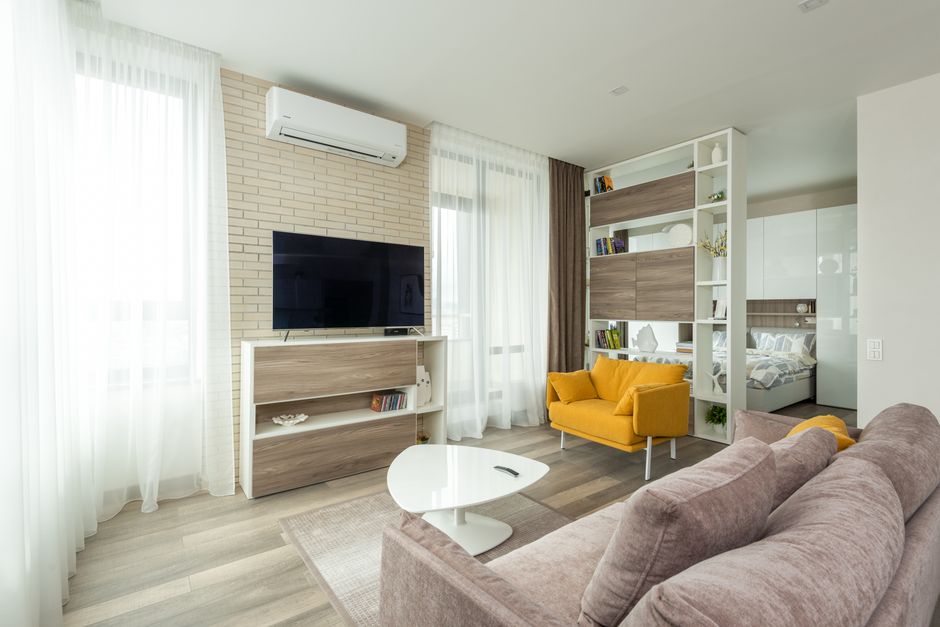
If you want a system designed specifically to handle cold climate heating down to -13°F, Zone Air is a brand I’m watching closely. Their 12K BTU single zone (230V) model at $2,049.99 is a great example of transparent pricing with top-tier efficiency and cold-weather operation built-in. The company markets their units with pre-charged line sets and quick connect tech, making installation a manageable weekend project for a motivated DIYer.
The Zone Air wall mount systems deliver strong independent heating and cooling with solid SEER2 and HSPF2 values, making them suitable for garages and basements in all but the coldest US regions.
Home Depot
While Home Depot offers a variety of mini split brands, their in-store presence and online shop lean heavily on dealers and professional installation services. You might find brands like Pioneer, Senville, or similar affordable options here, but the transparency of pricing and DIY friendliness can vary widely. Many brands available through Home Depot lack the pre-charged line sets or quick connect fittings that make true DIY easier.
If you’re comfortable coordinating some electrical work and choosing installation professionals, Home Depot can be convenient. But for those who want a streamlined, honest-price DIY solution, direct-to-consumer brands like Zone Air and MRCOOL generally beat the vague pricing and hand-wavy "efficiency claims" often encountered through big box stores.
Installation Tips: What I Wish I Knew Before My First Mini Split Install
Mini splits sound easy on YouTube: “Just mount the unit, connect the piping, and plug it in!” If only. In reality, there are a few must-haves that make the difference between a weekend DIY success and a prolonged headache:
- Quick Connect Fittings: These eliminate the need to flare copper pipes or do complicated brazing. It’s a huge relief—no coiled extra copper behind your condenser to untangle and no sweating your line set connections.
- Pre-Charged Line Sets: Without these, you’d need expensive refrigeration gauges and vacuum pumps to remove moisture and air before charging the system. Pre-charged sets arrive ready to hook up, saving time and errors.
- Electrical Work: Mini splits usually require a dedicated circuit, and while some plug in, many need hardwired connections. If you aren’t comfortable with electrical work, please hire a licensed electrician. DIY electrical isn’t the place for guessing or cutting corners.
- Sealing and Insulation: A mini split won’t keep a basement or garage warm if cold air sneaks in through windows, door cracks, or poor insulation. Preparing your space is just as important as choosing the right unit.
Summary: My Go-To Choice for Garage and Basement Mini Splits
Brand BTU Capacity Price Cold Climate Heating DIY Features Efficiency (SEER2/HSPF2) Zone Air 12,000 $2,049.99 Down to -13°F Pre-charged line sets, quick connect High (20+/11+) MRCOOL 9,000 - 24,000 $1,400 - $2,500 (varies) Down to ~5°F Pre-charged line sets, quick connect Good (19-22/9-11) Home Depot (Various Brands) Varies Varies, often higher with installation Depends on model Often no pre-charged line sets Mixed, sometimes vagueIf I were putting a mini split in my own garage or basement right now, I'd pick the Zone Air unit for the strong cold climate performance and direct-to-consumer honest pricing. MRCOOL is a close second and a solid choice if your winters aren’t quite as brutal.
Remember: mini splits can be straightforward to install with the right tools in hand, but don’t underestimate the electrical and sealing work needed. If you want the value and convenience of affordable heating and cooling with independent operation tailored for a single zone wall mount setup, invest in a system with pre-charged line sets and quick connect fittings. Your future self will thank you when you’re sipping coffee in a perfectly comfortable garage workshop alongside your happy family.