Is the Mini Split Follow Me Feature Worth Using the Remote Sensor?
Over the past decade, mini split heat pumps have become the go-to HVAC solution for homeowners looking to upgrade home comfort without the hassle of ductwork. Brands like Zone Air, Pioneer, and Senville have made it easier for DIYers to install efficient single-zone systems in workshops, home offices, and garages — spaces where traditional HVAC might be overkill or too costly. Among the many features available on modern mini splits, the Follow Me remote sensor promises more accurate temperature control and comfort fine tuning. But is it actually worth using? Let’s break down what this feature entails and run through https://www.pinuphouses.com/diy-ductless-mini-split-step-by-step-installation-buyers-guide/ the key factors every DIYer should consider before making that call.
What Makes a Mini Split Truly DIY?
The rise of mini splits for residential projects owes a lot to innovations that simplify installation for the average weekend warrior. Before, HVAC work involved handling refrigerant charging, brazing copper lines, and fancy electrical setups. Modern mini split kits from companies such as Zone Air now include features that make the process approachable, even if you aren’t a licensed HVAC technician.
Pre-Charged Line Sets
Most entry-level single-zone kits like the Zone Air units priced between $1,899-$2,499 come with pre-charged line sets. These are lines that already contain the proper amount of refrigerant and are sealed at the factory. This eliminates the complicated and often dangerous task of refrigerant charging during installation.

Quick-Connect Valves
Instead of brazed connections, popular DIY brands now include quick-connect valves on both ends of the refrigerant lines. This allows users to connect the outdoor condenser and indoor air handler with a simple twist and lock motion. No fancy tools or gas flames needed. These valves reduce installation time and the risk of refrigerant leaks.
Tools You’ll Need
The typical toolset for installing a mini split system is surprisingly manageable:
- Drill: To mount the indoor unit bracket and secure the outdoor condenser.
- 3-3.5 inch hole saw: For drilling the wall opening to feed the line set, drain tubing, and electrical connections.
- Standard hand tools for screwing and tightening.
With the right kit and basic mechanical skills, installing a mini split can be a satisfying weekend project.
Sizing Your Mini Split: Square Footage and Climate Realities
Selecting the right size mini split is critical to comfort. Oversized units cycle too frequently, wasting energy and shortening equipment life. Undersized units struggle to meet heating or cooling demands.
Calculate Square Footage
First, measure the square footage of the space you want to condition. Workshops, garages, and home offices typically range from 100 to 500 square feet.
Factor in Your Climate
Climate plays a significant role. In colder northern states, you’ll want a higher BTU output per square foot for heating. Conversely, hot southern areas require more cooling capacity.
Check Manufacturer Recommendations
Brands like Senville and Pioneer include comprehensive sizing charts in their manuals. For example, a 12,000 BTU (1 ton) unit usually covers about 400-450 square feet in moderate climates.
Electrical Planning and Safety
Don’t underestimate the importance of electrical preparations when installing a mini split. Improper wiring risks fire hazards or system damage.
115V vs 230V Power
Many smaller single-zone mini splits run on standard 115V outlets. Larger units or multi-zone systems may require a dedicated 230V circuit.
Breaker Sizing
Refer to the manufacturer’s specifications for proper breaker sizing. For example, a typical 12,000 BTU single-zone unit might need a 15-20 amp breaker. Always err on the side of correct breaker size to prevent nuisance trips.
Disconnect Requirements
Electrical codes usually require an outdoor disconnect box near the condenser to safely turn off power during servicing. This is non-negotiable for safety and warranty compliance.
Indoor and Outdoor Unit Placement Rules
Proper placement of your air handler and outdoor condenser affects both comfort and system longevity.
Indoor Unit Placement
- Mount high on an interior wall away from direct sunlight and drafts.
- Avoid obstacles that block airflow—like furniture or shelving.
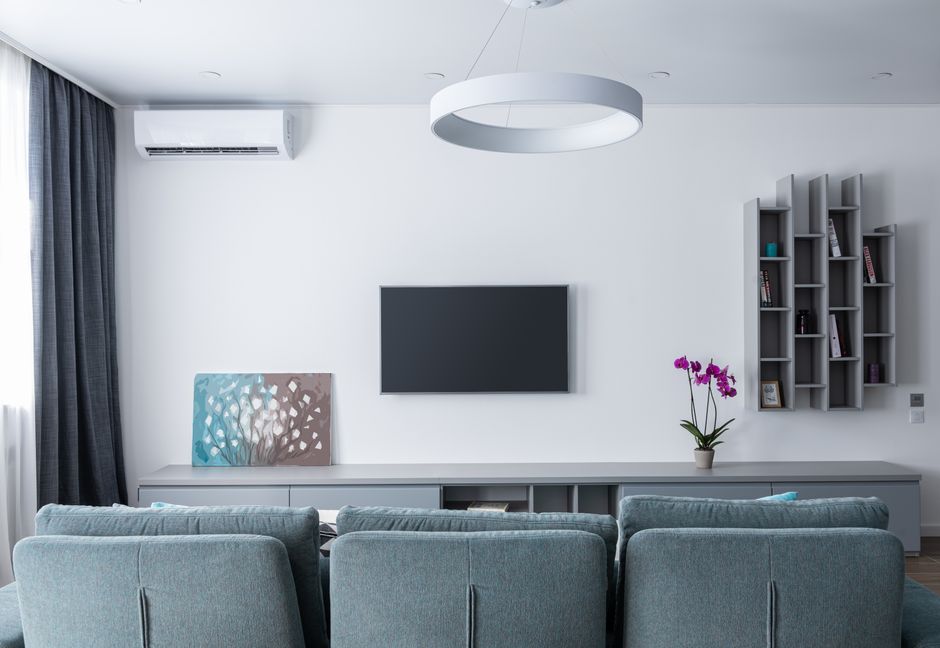
- Consider the Follow Me remote sensor’s location for maximum accuracy (more on that soon).
Outdoor Unit Placement
- Place on a level, sturdy pad with clearance on all sides for airflow and servicing.
- Keep it protected from extreme weather but allow open airflow around the condenser coil.
- Avoid locations near noisy neighbors or bedrooms to minimize sound disturbance.
The Follow Me Remote Sensor: What Is It?
Many mini split models from Zone Air, Pioneer, and Senville include a feature called “Follow Me.” This function uses the remote control as a portable temperature sensor rather than relying solely on the temperature near the fixed indoor air handler.
In other words, rather than adjusting the room temperature based on the thermostat sensor built into the wall-mounted unit, the system reads and monitors the temperature where you hold the remote control. The compressor and fan speed are adjusted accordingly to maintain your exact spot at a comfortable temperature.
Is Using the Follow Me Remote Sensor Worth It?
The main selling point of using the Follow Me remote sensor is more accurate temperature control and comfort fine tuning. But let’s review the pros and cons to determine if it’s truly worth using.
Pros
- Personalized Comfort: It ensures the temperature around where you are sitting or working is exactly the comfort level you want.
- Compensates for Room Variations: Rooms with uneven heating or cooling due to windows, doors, or ventilation often benefit.
- Flexibility: You can carry the remote to different spots, and the mini split will adjust accordingly.
Cons
- Remote Must Be Present: The feature is moot if the remote is lost or misplaced.
- Limited Range: If the remote is too far from the air handler (e.g., in a big room), temperature readings could be delayed or inaccurate.
- Unintended Compressor Cycling: If the remote is in a very localized hot or cold spot, the compressor may cycle more often trying to hit that point rather than overall room comfort.
Tips for Maximizing Follow Me Sensor Effectiveness
- Keep the remote control in your primary activity area where you want precise temperature control.
- Avoid placing the remote in direct sunlight, near heat sources, or near electronics that generate heat.
- Combine with proper indoor unit placement to avoid big temperature differences within the room.
- Most importantly, check your unit’s specific manual from Zone Air, Pioneer, or Senville to understand how to activate and optimize Follow Me mode.
Summary Table: Follow Me Feature Pros and Cons
Aspect Benefit Limitation Comfort Accuracy Directly senses your location’s temperature May cause erratic cycling if sensor in hot/cold spot Flexibility Portable sensor follows you in the room Remote must be kept nearby; can be misplaced Ease of Use Simple activation via remote Limited range reduces effectiveness in large rooms Installation No additional hardware needed NoneConclusion
If your primary goal is precision comfort in a moderately sized space where you spend most of your time, using the Follow Me remote sensor feature is generally worth using. It acts as a personal thermostat that makes your mini split’s operation more tailored to your exact comfort zone and is especially helpful in rooms with uneven heating or cooling.
However, if the remote sensor tends to get lost, or your room is large enough that the remote’s readings don’t represent the overall environment, it might be better to rely on the indoor air handler’s fixed sensor placement.
Ultimately, whether it’s a Zone Air, Pioneer, or Senville system, embracing this feature along with proper sizing, electrical planning, and installation practices will help ensure you get the maximum comfort and value from your mini split installation.
Additional Resources
- Zone Air Official Site
- Pioneer HVAC
- Senville Mini Splits
- ENERGY STAR Ductless Mini-Split Heat Pumps