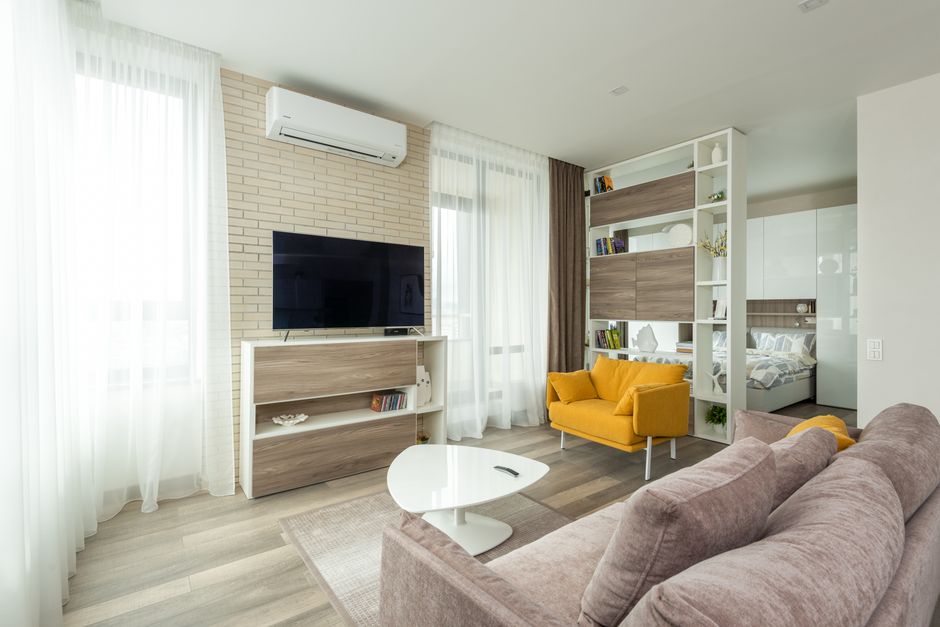
Mitsubishi or Daikin 240V vs a 115V Unit for a Small House
If you’re considering a ductless mini split system for your small house, you’ve likely come across the option between a Mitsubishi mini split 240V or a smaller 110V/115V model. Brands like Daikin, Mitsubishi, and lesser-known competitors such as Zone Air, Cooper & Hunter, and MrCool offer a variety of voltages and capacities tailored for different spaces and applications. In this article, I’ll break down how to choose between a 240V and a 115V unit, explain why dedicated circuits and proper wiring matter, and share some practical tips on DIY installation — especially using handy pre-charged Quick Connect line sets.
Understanding 110V/115V Mini Splits: Rare but Useful
Mini splits that run on standard household line voltage—usually 110V or 115V—are relatively rare compared to their 240V counterparts, but they serve an important niche. These units are well-suited for single rooms or as supplemental heat and cooling without requiring a full electrical panel upgrade. However, they come with important considerations that you need to know before committing.
Why Choose 110V or 115V Mini Splits?
- Simplicity: They plug into standard outlets (though you should always use a dedicated circuit and avoid extension cords).
- Cost-effectiveness: For a small space, you don’t need the capacity or cost of a full 240V system.
- DIY-friendly installation: Models from brands like MrCool often come with pre-charged Quick Connect line sets, which can dramatically simplify refrigerant handling.
That said, resist vague claims like "works anywhere" without looking into the electrical requirements. Many 115V units rely on pigtail plug cables rated at least 15A with three wires (power, neutral, ground). This means your wall outlet and circuit breaker must handle this safely — especially if you’re planning a long-term installation.
Mitsubishi Mini Split 240V vs. 110V Supplemental vs. Primary Systems
When comparing a Mitsubishi mini split 240V system to a 110V supplemental unit, consider the size of your house, energy use, and load demands. Here’s how the two stack up:
Feature Mitsubishi Mini Split 240V 110V Supplemental Unit (e.g., from MrCool or Cooper & Hunter) Intended Use Primary heating/cooling for small to medium homes or multiple zones Supplemental heating/cooling or single-room solutions Electrical Requirements Dedicated 240V circuit, typically 20A or higher breaker Dedicated 15A circuit at 110-115V with pigtail plug cable Installation Complexity Requires skilled installer or electrician and refrigerant handling DIY-friendly with pre-charged Quick Connect line sets, minimal refrigerant handling Power Output Higher BTU capacity, suitable for whole-house or multi-room Lower BTU capacity, best for individual rooms Warranty Considerations Often longer warranties with professional installations; check terms Beware that DIY installations can void warranty; register within deadlinesWhen to Use a 240V Mitsubishi or Daikin Ductless Heat Pump
If your small house has limited existing heating and cooling or you want to replace a failing HVAC system, the 240V mini split is the stronger choice. Features like variable-speed compressors, multi-zone capabilities, and higher efficiency ratings make these systems well worth the upfront complexity and cost. Daikin ductless heat pumps, in particular, often lead on efficiency and quiet operation.
When a 110V Supplemental Mini Split Makes Sense
- If you want to heat or cool an outbuilding, workshop, garage, or a single bedroom.
- If your home electrical panel cannot readily support adding a 240V appliance.
- If you’re keen on DIY installation and have tools to safely handle wiring and refrigerant connections.
DIY Installation and the Magic of Pre-Charged Quick Connect Line Sets
One of https://cleaneverycorner.com/can-i-put-a-mini-split-outdoor-unit-on-a-balcony/ the biggest barriers for DIYers upgrading or installing mini splits has been the handling of refrigerant lines and the required vacuum evacuation process. Brands like MrCool and Zone Air now offer pre-charged Quick Connect line sets, which makes installation far more straightforward and safer for non-certified installers.
These line sets come with factory-sealed refrigerant and two quick disconnect fittings, eliminating the need for complex vacuum pumps and refrigerant gauges. You simply connect the indoor unit to the outdoor unit’s line set, verify the tightness, and connect the electrical pigtail.
Electrical Wiring Must Not Be Overlooked
Do not make the mistake of powering these units with extension cords or sharing circuits with other heavy loads. The pigtail plug cable should:
- Be rated at least 15A for 115V units (and higher amperage for 240V units).
- Include three wires: power, neutral, and ground.
- Be connected to a dedicated circuit breaker in your electrical panel.
This https://annamaid.com/how-do-i-pick-between-9k-and-12k-btu-for-a-500-sq-ft-garage/ ensures safety, prevents nuisance breaker trips, and complies with electrical codes. For 240V units, breaker sizes typically start at 20A, but always double-check the specific model’s electrical specs.
Warranty Terms Can Make or Break the Value
Before purchasing any mini split system, scrutinize the warranty terms. Some manufacturer warranties require professional installation for full coverage, while others allow DIY installation but mandate registration within a limited timeframe—often 30 to 60 days after installation.

Skipping warranty registration or doing a non-code-compliant electrical installation can void the warranty entirely. Here are some key points to remember:
- Register your mini split system promptly after installation.
- Read the warranty limitations for DIY installation versus professional installation.
- Keep all documentation, including installation photos and receipts.
- Check if your unit’s warranty covers compressor replacement, parts, and labor.
Brands like Mitsubishi and Daikin generally offer robust warranties but tend to favor professional installation. Zone Air and MrCool may be more DIY-friendly but still require strict warranty registration.
Other Brands Worth Considering
While Mitsubishi and Daikin lead the industry in quality and brand recognition, brands like Zone Air, Cooper & Hunter, and MrCool provide unique advantages:
- Zone Air: Budget-friendly units with pre-charged line sets, offering some 110V options but usually with shorter warranties.
- Cooper & Hunter: Known for solid 240V mini splits with good efficiency ratings and reasonable pricing.
- MrCool: Pioneer in DIY pre-charged line sets and 110V models great for small spaces and supplemental heat.
Summary: Which Mini Split Voltage Is Right For Your Small House?
- For whole-house heating and cooling, or multiple rooms: Choose Mitsubishi mini split 240V or a similar high-quality 240V system from Daikin or Cooper & Hunter.
- For single-room supplemental heating/cooling: Consider a 110V/115V unit with a pre-charged Quick Connect line set from MrCool or Zone Air for a DIY-friendly install.
- Electrical setup: Never use extension cords; install a dedicated 15A (110V) or 20A+ (240V) breaker with proper wiring and grounding.
- Warranty: Always register your unit promptly and pay close attention to warranty requirements, especially for DIY installs.
Choosing correctly between a 240V Mitsubishi or Daikin ductless heat pump and a 110V supplemental unit isn’t just about price or capacity — it's about electrical safety, installation feasibility, and lasting value. Use the right pigtail cables, respect breaker sizes, and capitalize on the simplicity of pre-charged Quick Connect line sets to make your small house comfortable year-round without headaches.
Written by a Renovation Architect with 20+ years specializing in building renovation and historic preservation — dedicated to empowering DIYers with practical, clear, and reliable home improvement advice.